Blog
Choosing Between Braces and Invisalign: A Guide for Rock Springs Teens and Adults
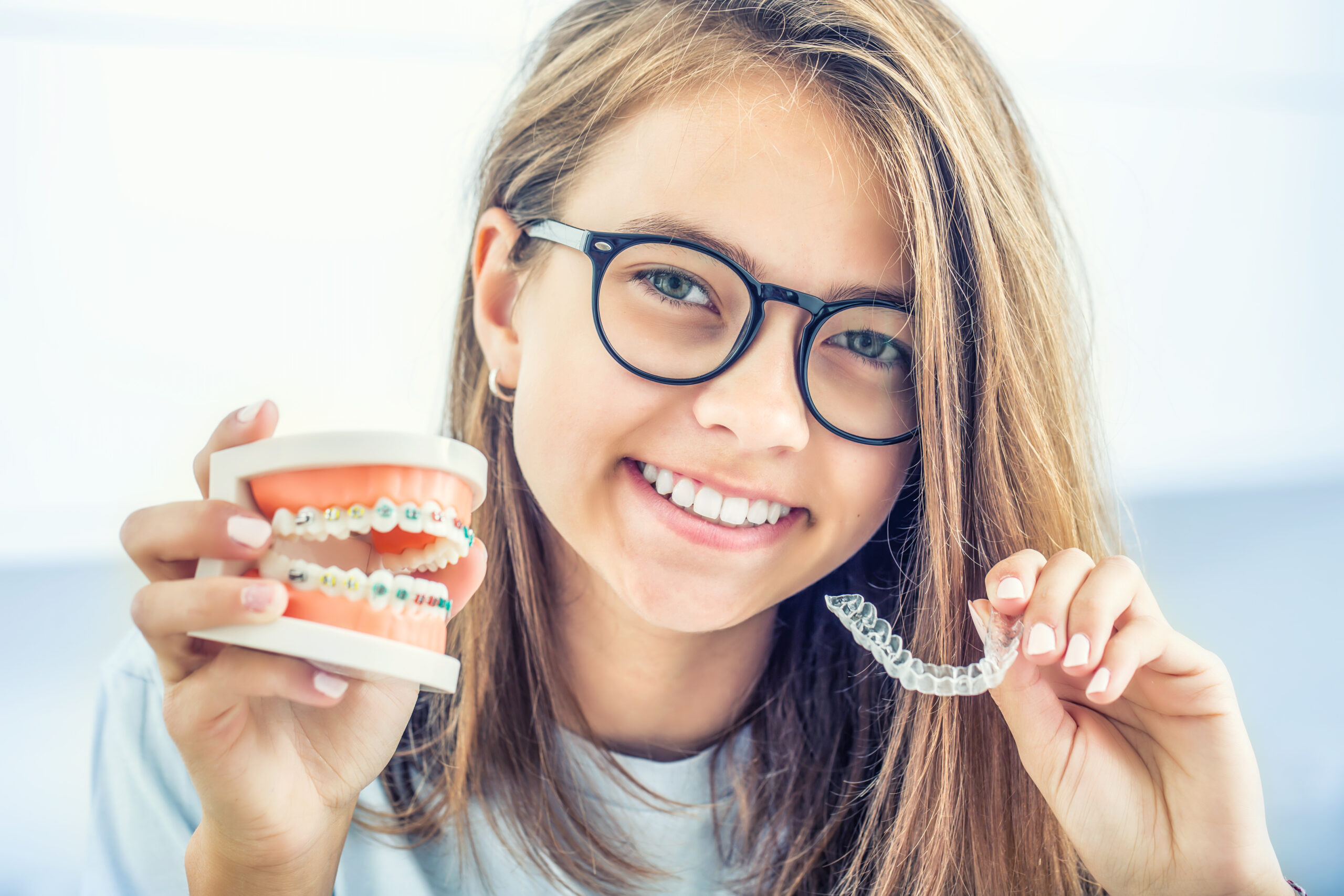
A confident, healthy smile can make a huge difference in your life. If you live in Rock Springs, WY, and are considering orthodontic treatment, you may be wondering whether traditional braces or Invisalign is the right choice for you or your teen. Both options are highly effective, but they have different advantages depending on lifestyle, treatment goals, and personal preferences. Understanding these differences will help you make an informed decision and achieve the best possible results.
Understanding Traditional Braces
Traditional braces have been used for decades and remain one of the most reliable ways to correct misaligned teeth and bite issues. They consist of metal brackets bonded to the teeth and connected by wires, which are periodically adjusted by an orthodontist to gradually move teeth into proper alignment.
One of the main benefits of traditional braces is their effectiveness for a wide range of orthodontic issues. From simple crowding to complex bite problems, braces can handle nearly every case. For teens, braces are often the most recommended option because they are resilient and do not rely on the patient remembering to wear them consistently.
Metal braces are also highly customizable. Patients can choose colored bands to make wearing braces fun, which is a popular choice for younger teens. For adults who want a less noticeable look, ceramic braces or clear brackets can provide a more subtle appearance without sacrificing the treatment’s effectiveness.
However, braces do require a commitment to oral hygiene. Brushing and flossing around brackets and wires can be time-consuming, and certain foods like sticky candies or hard snacks may need to be avoided to prevent damage to the braces. Despite these considerations, many patients find that the predictability and efficiency of traditional braces make them a worthwhile investment.
Understanding Invisalign
Invisalign is a newer orthodontic option that uses clear, removable aligners to straighten teeth. These aligners are custom-made to fit over your teeth and are replaced every one to two weeks as your teeth gradually move into alignment.
One of the biggest advantages of Invisalign is its discreet appearance. Because the aligners are clear, they are much less noticeable than traditional braces, making them appealing to adults and teens who are self-conscious about wearing metal brackets. This also makes Invisalign a great option for public-facing jobs or social situations where a subtle smile is preferred.
Invisalign aligners are also removable, which makes eating, drinking, brushing, and flossing much easier than with braces. Patients can enjoy all their favorite foods without worrying about damaging their orthodontic appliances. Additionally, cleaning the aligners is straightforward, and maintaining good oral hygiene is easier throughout the treatment.
While Invisalign offers convenience and discretion, it is most effective for mild to moderate orthodontic issues. Complex bite problems or severe crowding may require braces for the best results. Additionally, Invisalign requires discipline: the aligners should be worn 20–22 hours a day to achieve the desired outcome, and forgetting to wear them can extend treatment time.
Comparing Treatment Times
Treatment time can vary depending on the severity of the orthodontic issue, the patient’s age, and how consistently the treatment plan is followed. Traditional braces usually require 18–24 months for most cases, although some complex issues may take longer.
Invisalign treatment times are generally comparable for mild to moderate cases, often ranging from 12–24 months. However, treatment duration can extend if aligners are not worn as prescribed. It’s important to discuss your specific situation with an orthodontist to get an accurate estimate of the expected timeline.
Lifestyle Considerations
When choosing between braces and Invisalign, lifestyle is an important factor. Traditional braces are fixed, which means you don’t have to remember to wear them, making them ideal for younger teens or patients who might struggle with compliance. They are also very durable, which is important for active teens who play sports or musical instruments.
Invisalign, on the other hand, offers flexibility and discretion but relies on patient compliance. Teens and adults who are responsible and disciplined in wearing their aligners can enjoy the freedom of removable appliances. Invisalign may also be preferred by adults who have social or professional concerns about the appearance of metal braces.
Comfort and Maintenance
Comfort can vary between braces and Invisalign. Braces can cause mild irritation initially due to the brackets and wires rubbing against the cheeks and lips. Adjustments may also result in temporary soreness. Over time, most patients adapt, and orthodontists can provide wax or other solutions to ease discomfort.
Invisalign aligners are smooth and generally cause less irritation to the soft tissues of the mouth. Some mild pressure is normal as the teeth move, but many patients find aligners more comfortable overall. Aligners also allow for easy maintenance since they can be removed for cleaning. This can help prevent issues like plaque buildup or staining, which can be more challenging with traditional braces.
Cost Considerations
The cost of orthodontic treatment in Rock Springs, WY, can vary depending on the complexity of the case and the treatment method chosen. Traditional braces may be slightly more affordable for complex cases, while Invisalign costs are competitive for mild to moderate alignment issues.
Many orthodontic practices, including Sweetwater Orthodontics, offer flexible financing options and payment plans to help families manage the cost of treatment. Insurance coverage may also apply to both braces and Invisalign, so it’s worth discussing with your orthodontist and insurance provider.
Making the Right Choice
Choosing between braces and Invisalign comes down to a combination of factors:
- Severity of the orthodontic issue: Braces may be necessary for complex cases.
- Lifestyle and compliance: Invisalign works well for responsible patients who will wear the aligners consistently.
- Aesthetic preferences: Invisalign offers a more discreet option.
- Comfort considerations: Aligners are generally smoother, while braces may require minor adjustments for irritation.
- Cost and insurance coverage: Both options are effective investments in long-term oral health.
Ultimately, a consultation with a qualified orthodontist is the best way to determine the right treatment for you or your teen. The orthodontist can evaluate your teeth, bite, and facial structure to recommend the most effective and efficient approach for your unique situation.
Sweetwater Orthodontics | Schedule Your Consultation Today
At Sweetwater Orthodontics in Rock Springs, WY, we are committed to helping teens and adults achieve healthy, confident smiles. Our team provides personalized treatment plans, whether you choose traditional braces or Invisalign. We take the time to explain your options, answer your questions, and ensure your orthodontic journey is as comfortable and effective as possible.
Don’t wait to start your journey to a straighter, healthier smile. Contact Sweetwater Orthodontics in Rock Springs, WY today to schedule a consultation and find out which orthodontic option is right for you. Your best smile is just a phone call away!