Blog
Can You Get Braces If You Have Missing Teeth?
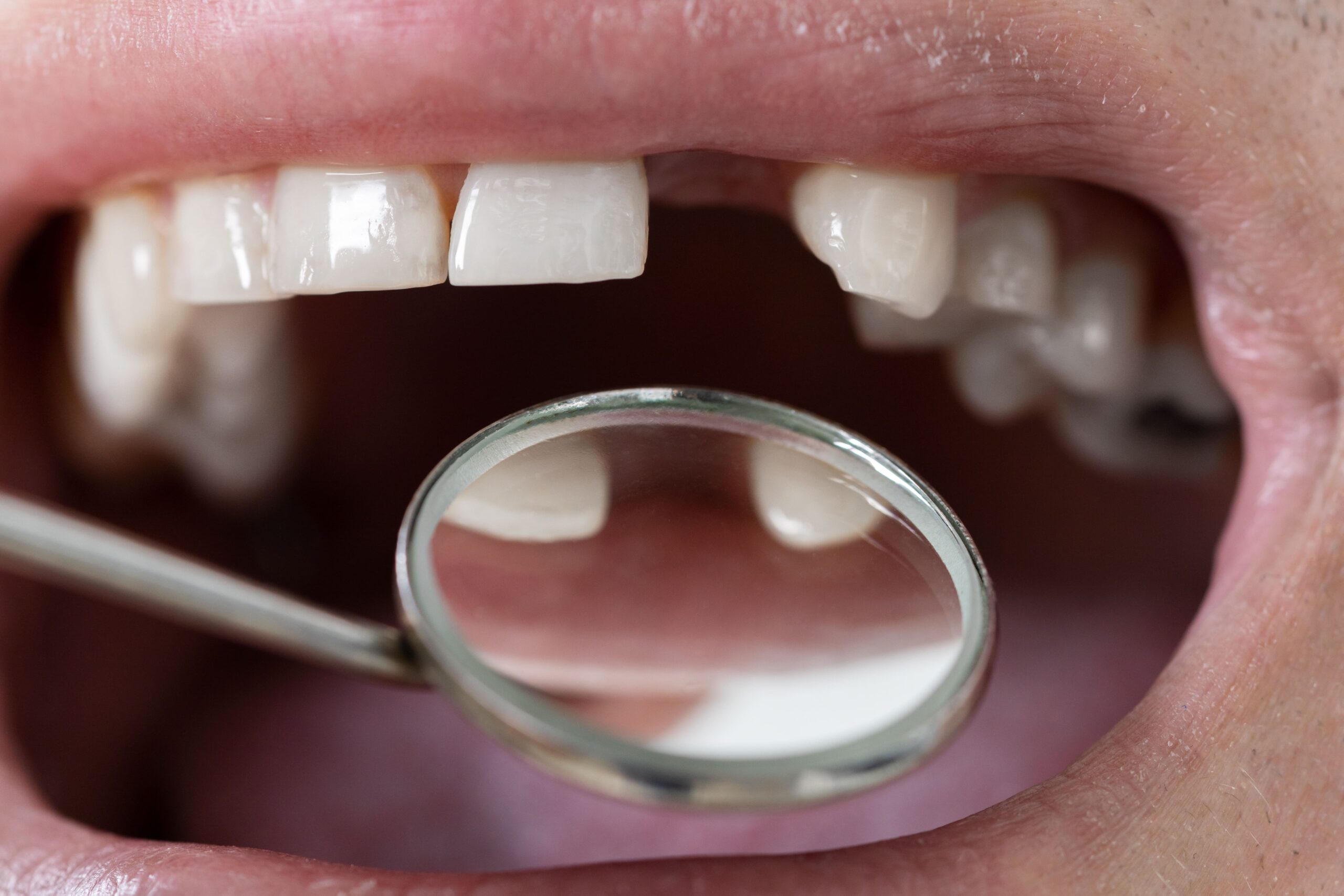
Missing teeth can raise a lot of questions when you’re considering orthodontic treatment. You may wonder whether braces are even possible without a complete set of teeth, or whether you need to replace a missing tooth before beginning treatment. The good news is that having one or more missing teeth does not automatically rule out braces.
In fact, orthodontic treatment can sometimes be an important part of the plan for someone with missing teeth. Depending on your situation, braces may help close unwanted spaces, maintain room for a future tooth replacement, or improve the position of your remaining teeth so they are easier to restore.
The right approach depends on why the tooth is missing and what you want to accomplish with your smile.
Why Are You Missing a Tooth?
There are several reasons someone may have a missing tooth. Some people are born without certain permanent teeth, while others lose teeth because of decay, an injury, or another dental problem. The location of the missing tooth also matters when an orthodontist develops a treatment plan.
For example, a missing front tooth can affect the appearance of your smile and the way your surrounding teeth are positioned. A missing back tooth may affect how your teeth come together when you bite.
Before recommending treatment, an orthodontist will evaluate your teeth, gums, bite, and jaw, often using dental X-rays or other diagnostic images. This helps determine whether orthodontic treatment can improve your alignment and what should happen with the space left by the missing tooth.
Can Braces Close the Space?
Sometimes, yes. Braces can gradually move neighboring teeth into an open space, depending on its size, location, and the overall condition of your bite.
Closing the space may be a good option when replacing the missing tooth isn’t necessary or when moving the surrounding teeth into a more functional position makes sense. However, closing every gap isn’t always the best choice. In some cases, keeping the space is more appropriate.
This is particularly important when a missing tooth will eventually be replaced with a dental implant or another restoration.
Can Braces Make Room for a Dental Implant?
Orthodontic treatment can also be used to prepare your smile for a future dental implant. If surrounding teeth have shifted into the space left by a missing tooth, there may not be enough room for a dentist to place an implant properly.
Braces can move those teeth and create or restore the appropriate amount of space. Once orthodontic treatment is complete, your general dentist or dental specialist can determine when you’re ready for the next stage of tooth replacement.
This type of treatment often involves coordination between your orthodontist and other dental providers. The goal isn’t simply to make your teeth look straighter. It’s to create a healthy, functional arrangement that works for the eventual restoration.
What If the Missing Tooth Never Developed?
Some people are born without one or more permanent teeth. This is known as congenital tooth agenesis, and it can create unique orthodontic challenges.
In these cases, treatment may involve either closing the space or preserving it for a future replacement. Which option makes sense depends on factors such as your age, facial development, bite, the location of the missing tooth, and the appearance of your surrounding teeth.
For younger patients, timing can be especially important. An orthodontist may recommend monitoring the developing teeth before deciding when and how to begin treatment.
What If Your Teeth Have Already Shifted?
A missing tooth doesn’t always leave a neat, open space. Over time, nearby teeth can tilt or drift toward the empty area. Teeth in the opposite arch may also move because they no longer have a tooth to bite against.
This can create spacing problems, changes in your bite, or additional difficulty when you’re ready for a replacement tooth.
Orthodontic treatment can sometimes correct these changes by repositioning the surrounding teeth. In some cases, braces may be combined with other dental treatment to achieve the best result.
Do You Have to Replace the Missing Tooth First?
Not necessarily. In fact, it may make more sense to complete orthodontic treatment before replacing the tooth.
Trying to replace a missing tooth too early can sometimes interfere with the movement of the surrounding teeth. An orthodontist can determine whether the space should be closed, maintained, or adjusted before a permanent restoration is placed.
If you’re considering braces with missing teeth, it’s important to have your orthodontic and restorative needs considered together rather than treating each issue separately.
Your Treatment Plan Is Based on Your Smile
There isn’t one standard approach to orthodontic treatment for missing teeth. Two people with the same number of missing teeth could have completely different treatment plans.
Your orthodontist will consider your bite, tooth positions, jaw development, available space, and long-term goals. They may also work with your general dentist or another dental specialist if tooth replacement is part of the plan.
The objective is to create an arrangement of teeth that is healthy, functional, and attractive while taking your future dental needs into account.
Start Planning Your Smile With Sweetwater Orthodontics
Having missing teeth doesn’t necessarily mean braces are off the table. Orthodontic treatment may help close unwanted spaces, reposition teeth, or prepare your smile for a future dental implant or other restoration.
If you’re looking into braces in Rock Springs and have missing teeth, a consultation can help you understand what options may be available for your specific situation. Sweetwater Orthodontics can evaluate your smile and develop a treatment approach designed around your needs. Schedule a consultation with a Rock Springs orthodontist to take the next step toward a healthier, more confident smile.